Mechanized welding is the middle ground between a welder holding a gun and a robot cell. The operator still runs the weld — reads the puddle, judges the joint, makes the call — but the machine handles the travel. Speed stays constant, torch angle stays constant, and the weld stops depending on how tired the arm is at four in the afternoon.
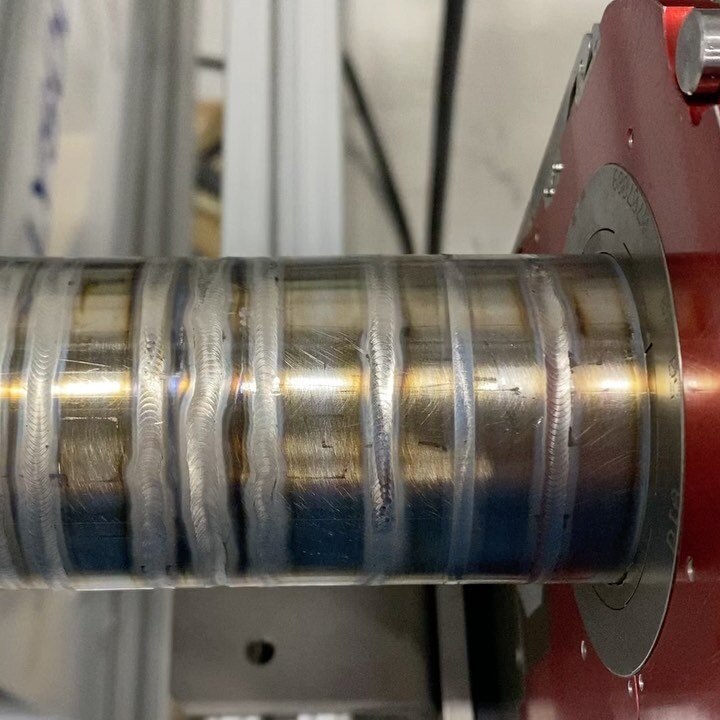
That single change does most of the work. Arc-on time goes up because the welder is not stopping to reposition. Deposition becomes predictable, so wire and gas consumption become predictable. Rework drops, because the defects that come from inconsistent travel speed stop happening. And the welder spends the shift beside the arc rather than inside it.
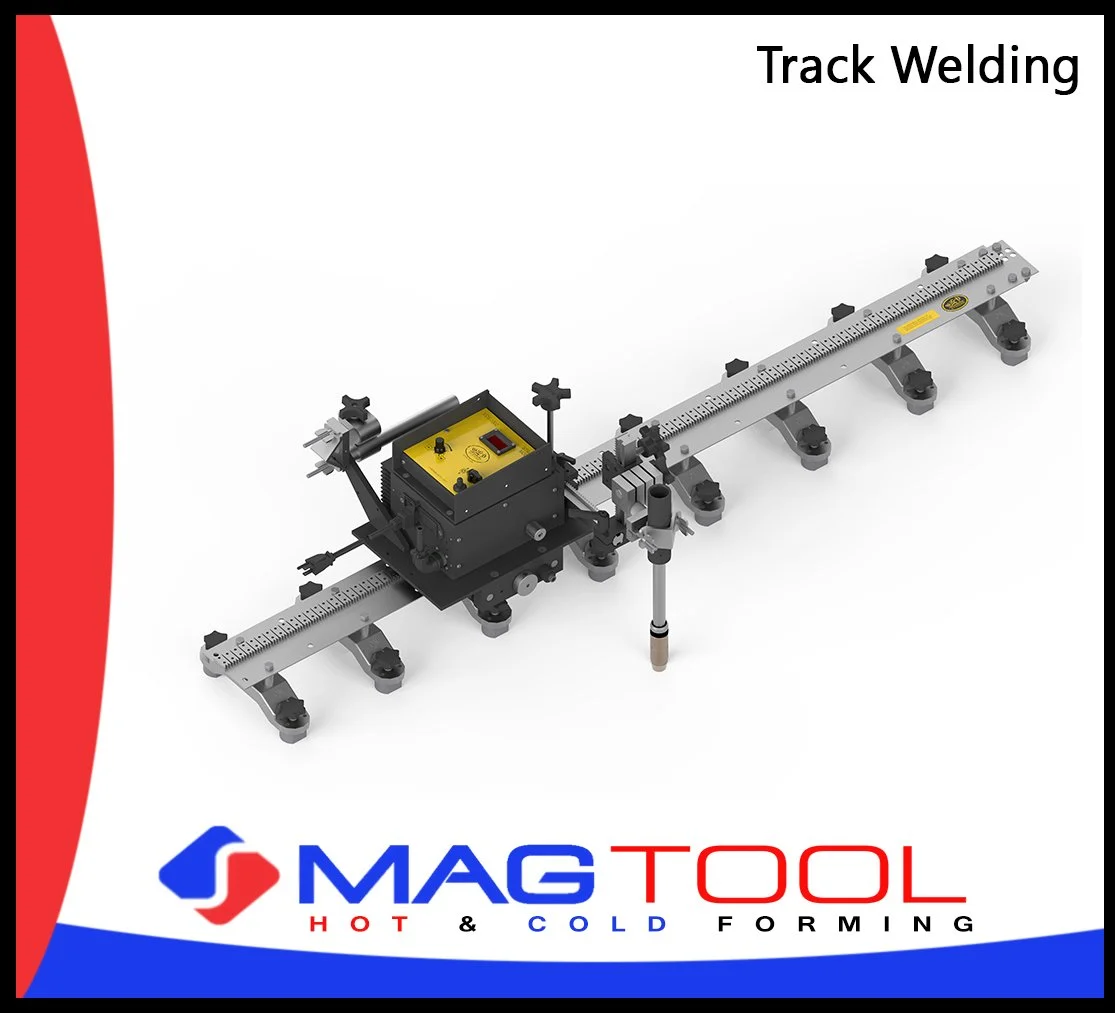
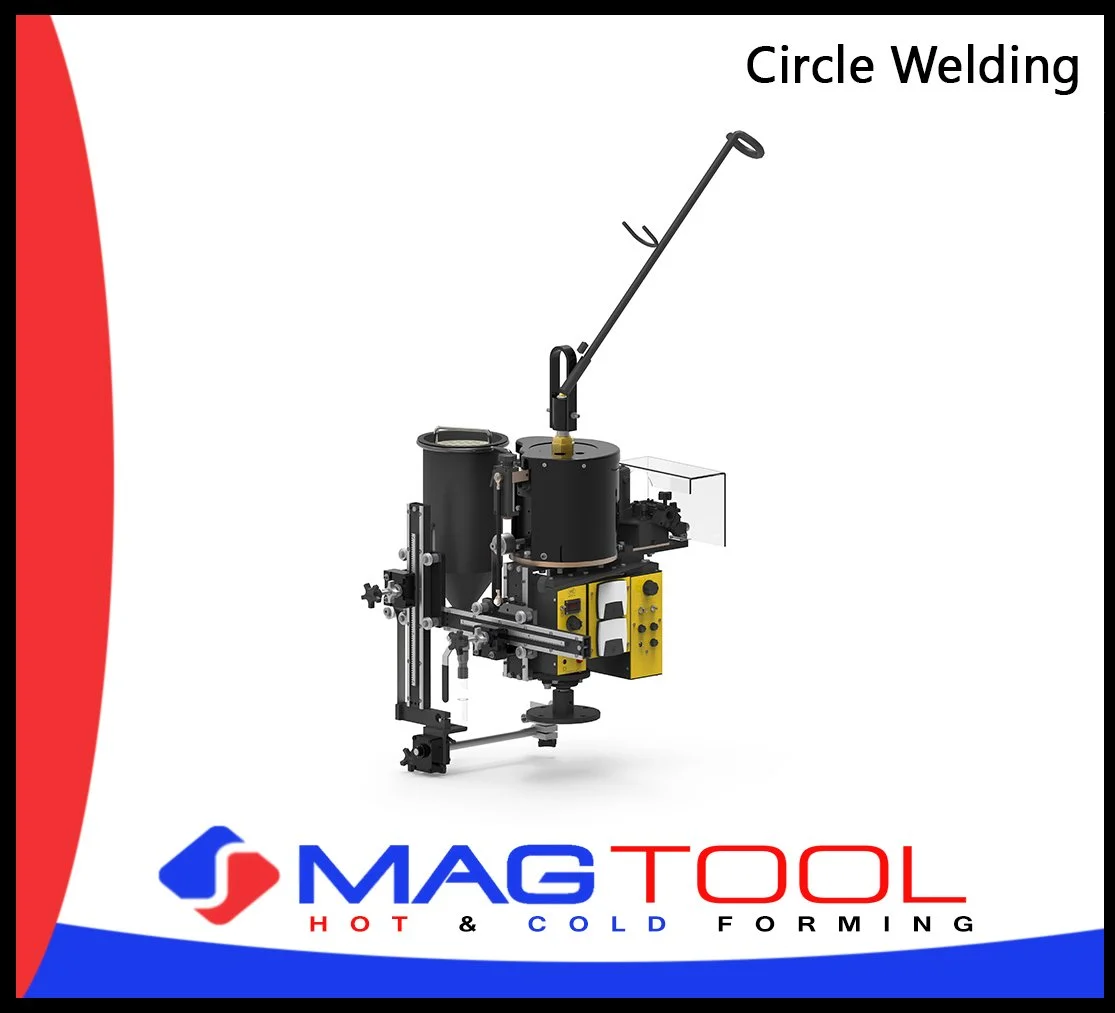
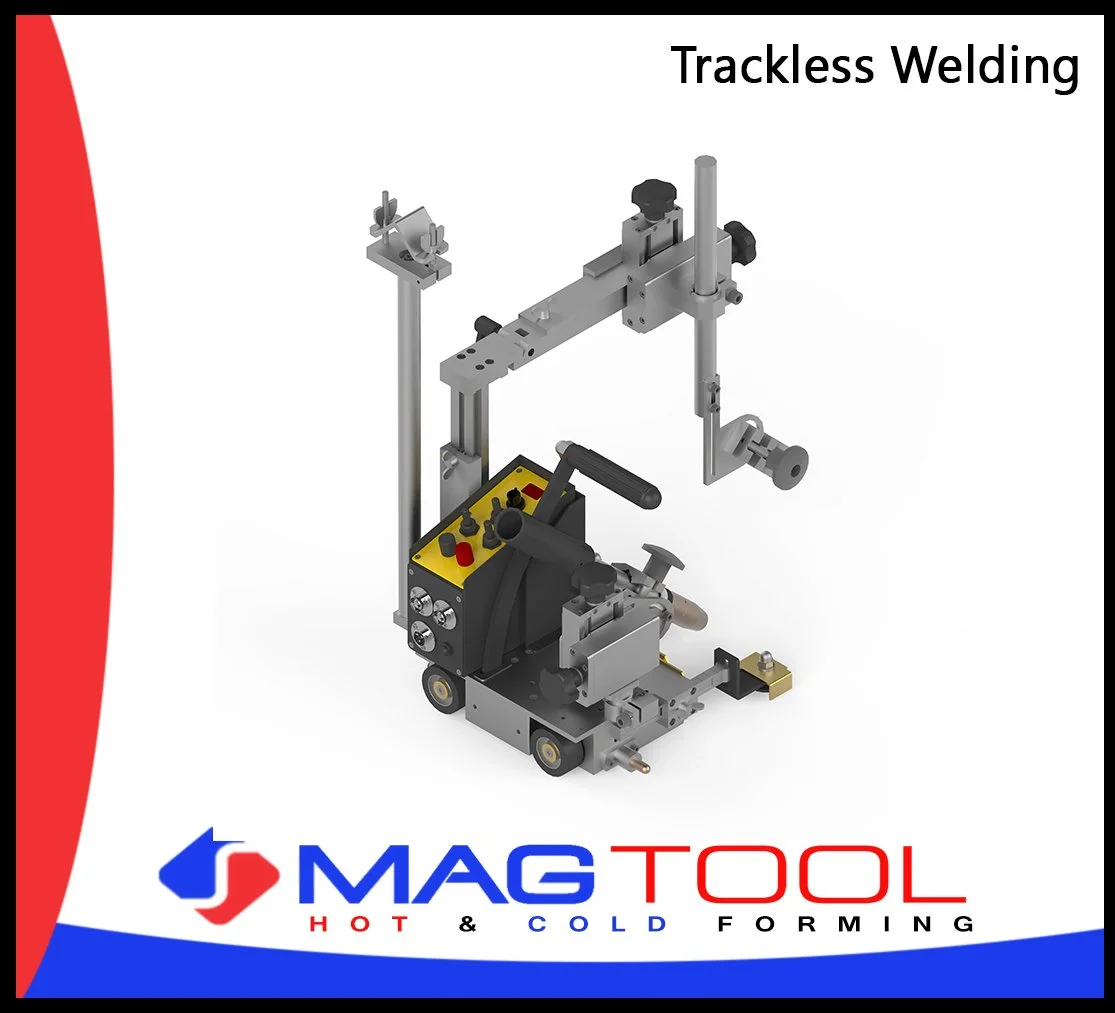
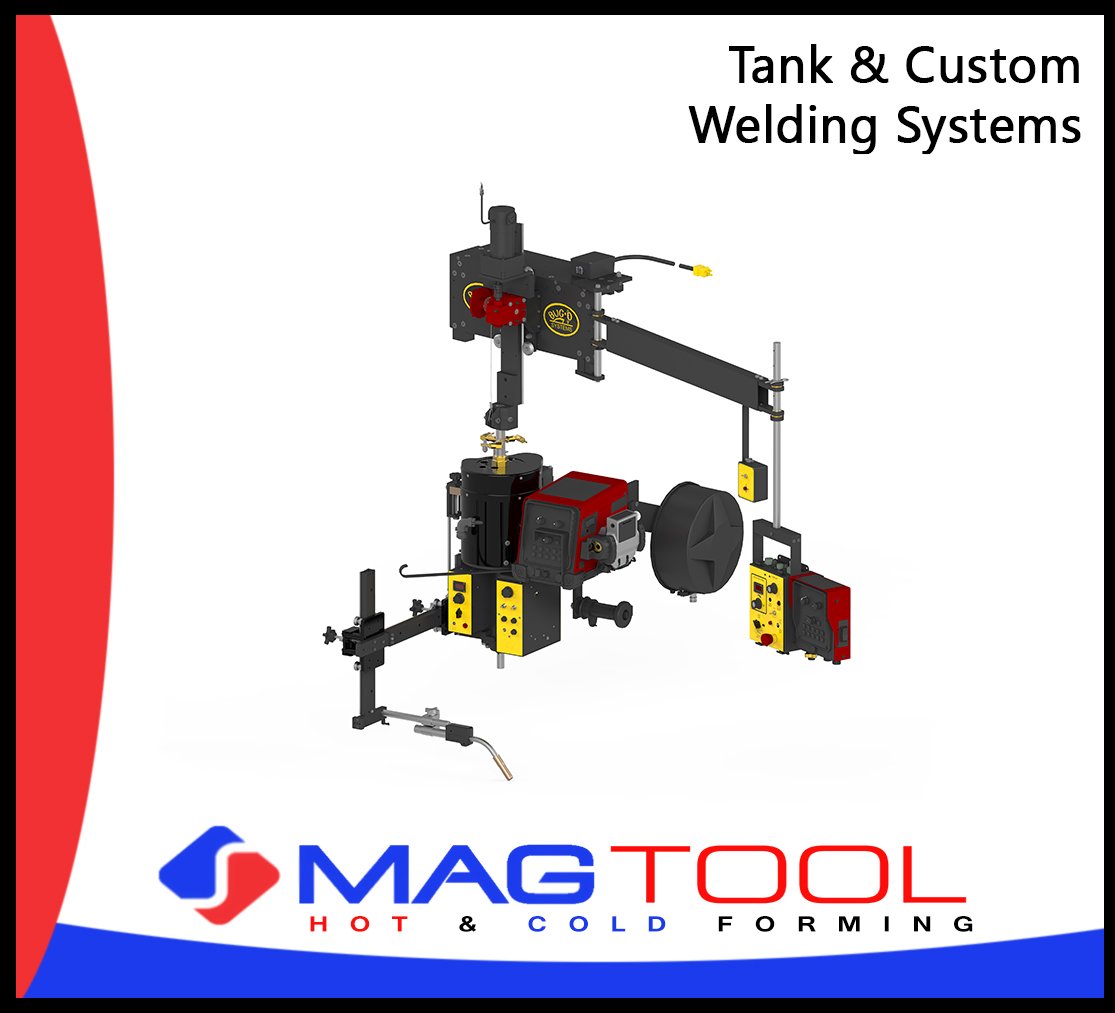
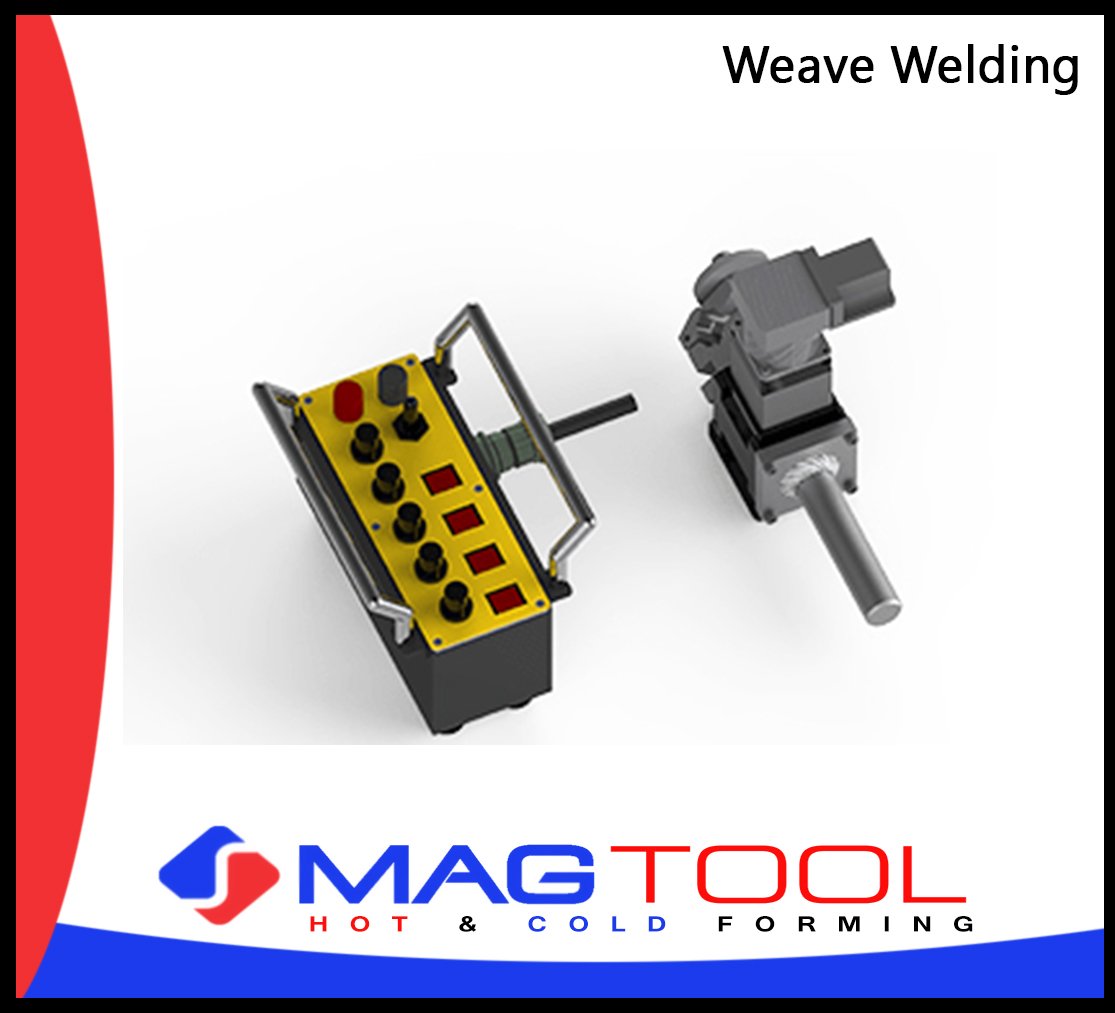
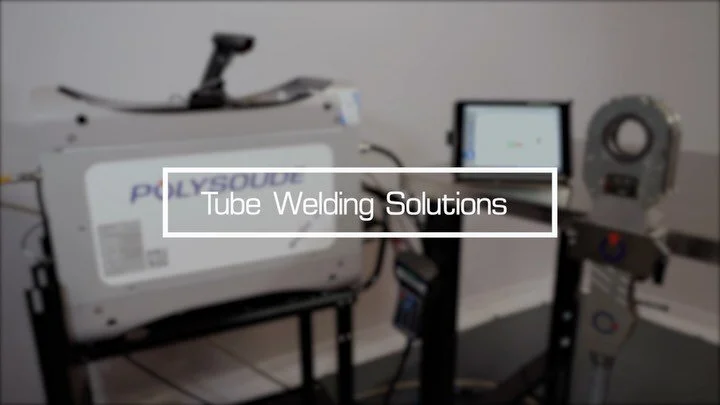
MAG Tool covers both halves of this category. Bug-O Systems builds the portable side — carriages, tractors and weavers that go out to the work, run on rail or on magnets, and come back in a case. Polysoude builds the fixed side — column and boom, head and tail stocks, manipulators and welding lathes, all driven by the PC600-3 multi-axis power supply, for work that comes to the machine.
Which half you need usually comes down to one question: can you move the work? If the answer is no — a storage tank, a vessel in place, a structural weld on site — the machine has to travel, and that is the Bug-O side. If the work fits on a positioner, the fixed station will give you better control and higher duty cycle for the same money.
We are happy to look at the joint and tell you which side of that line you are on, including when the answer is neither.