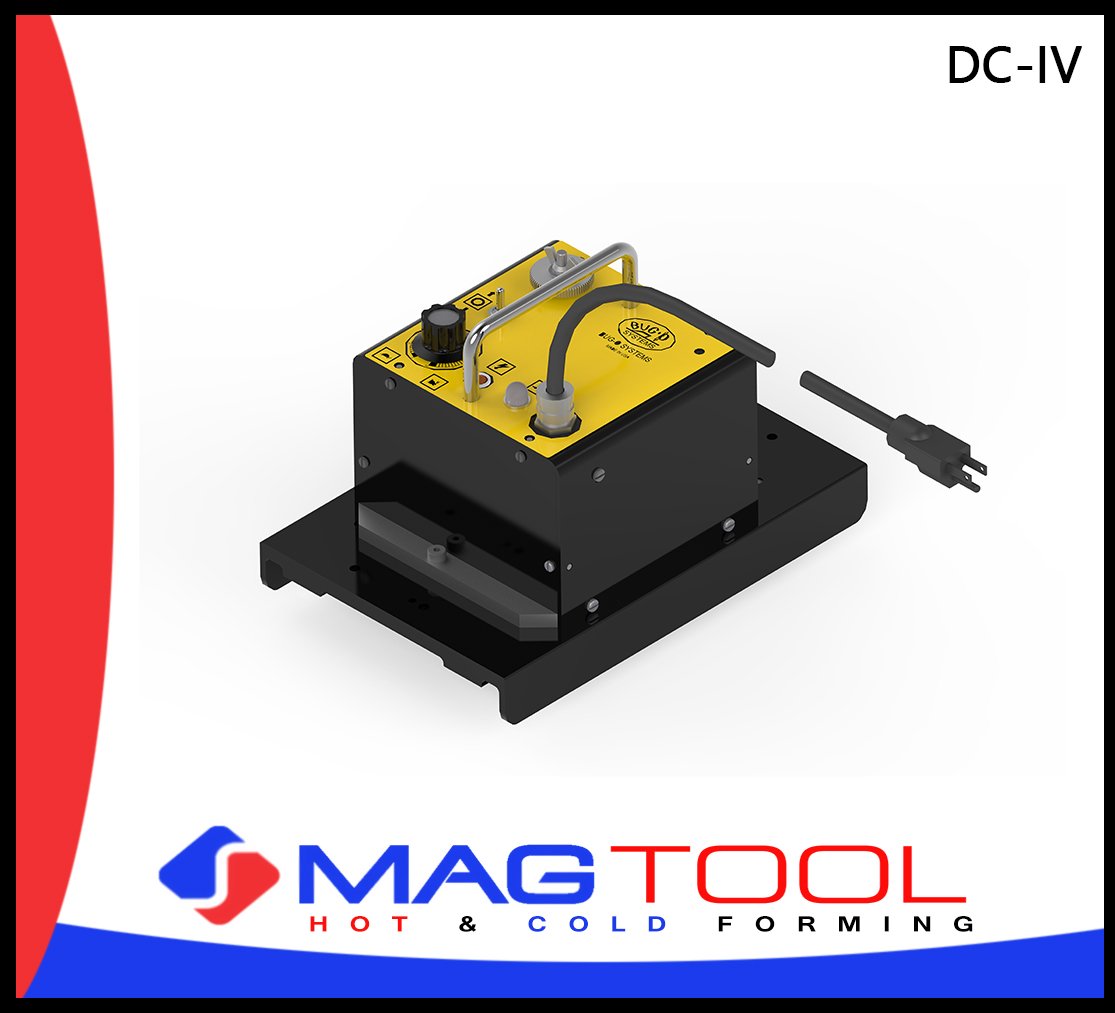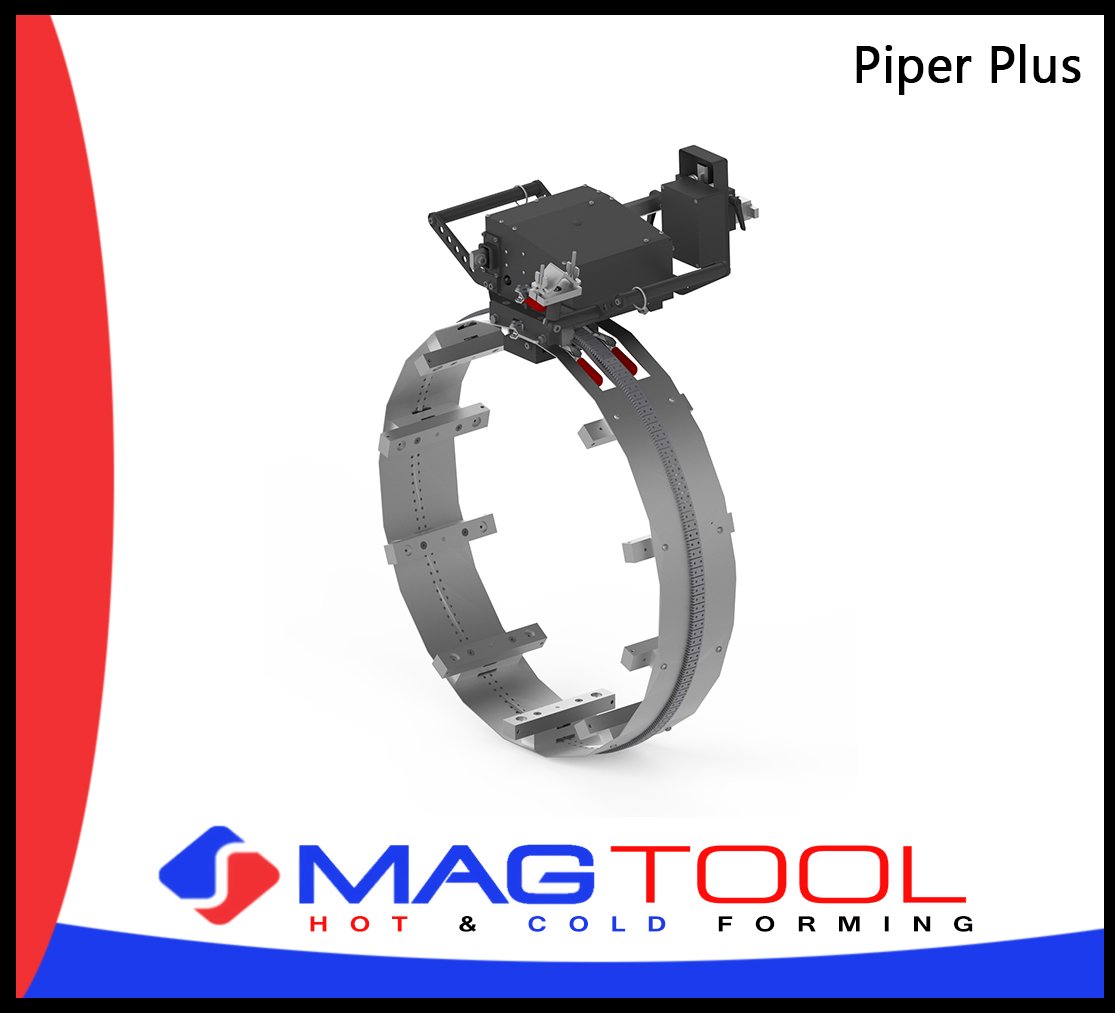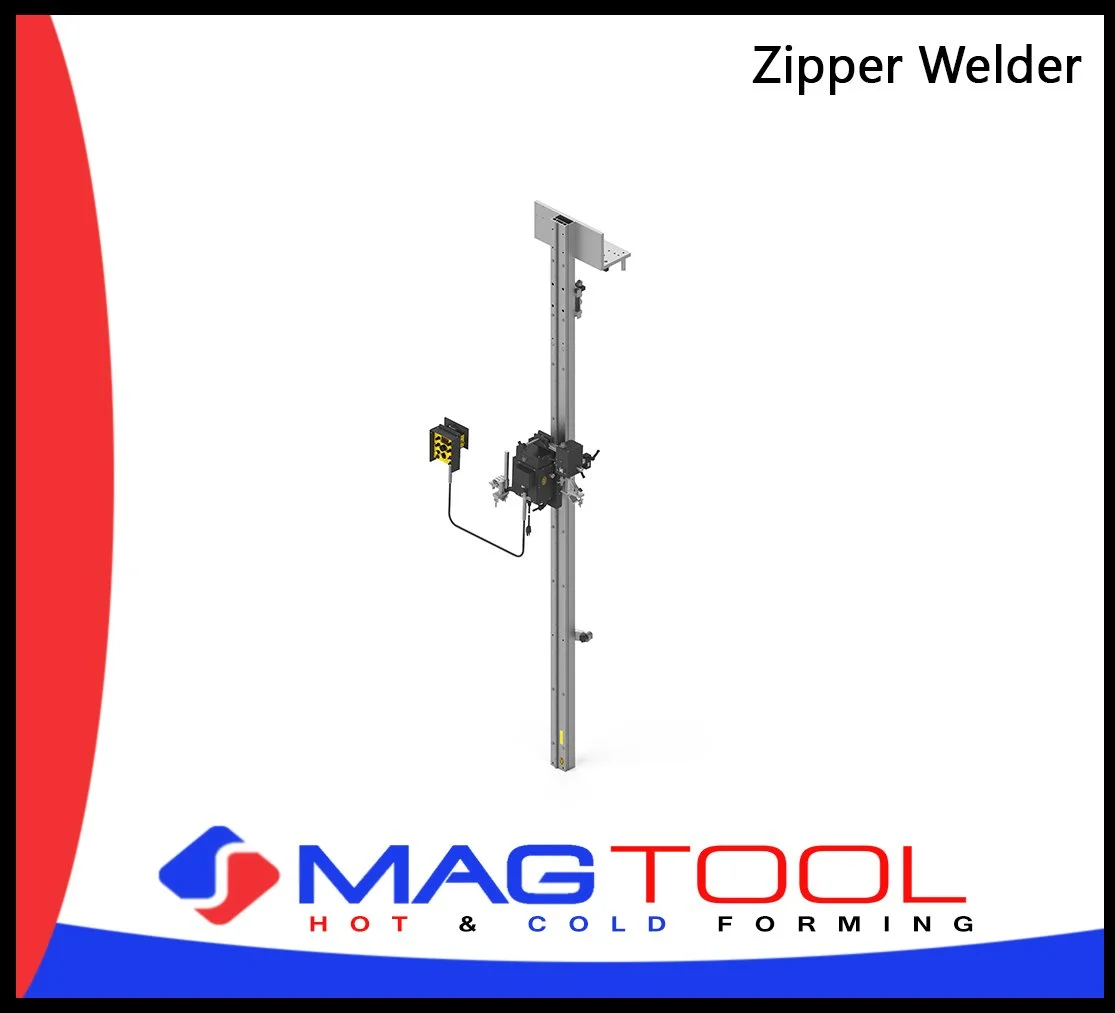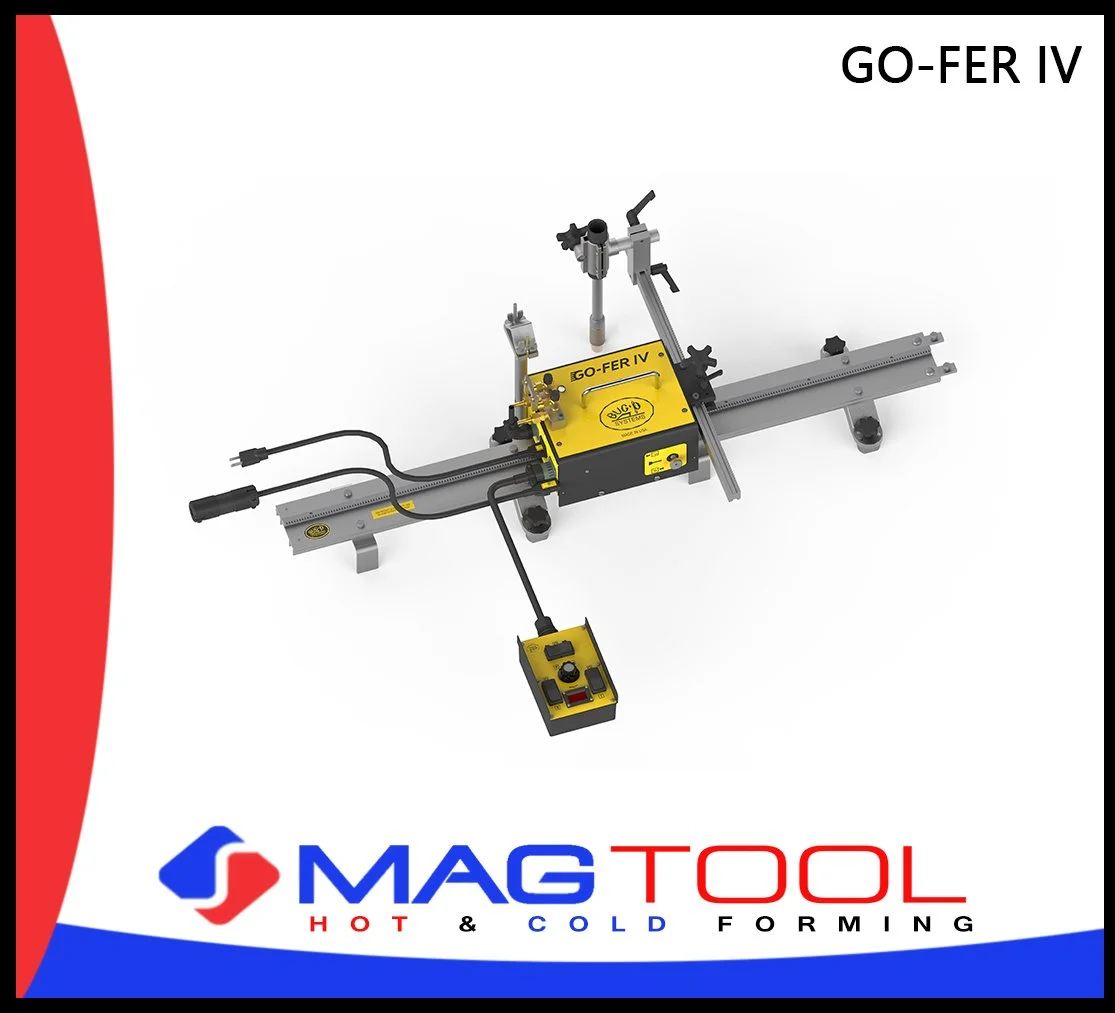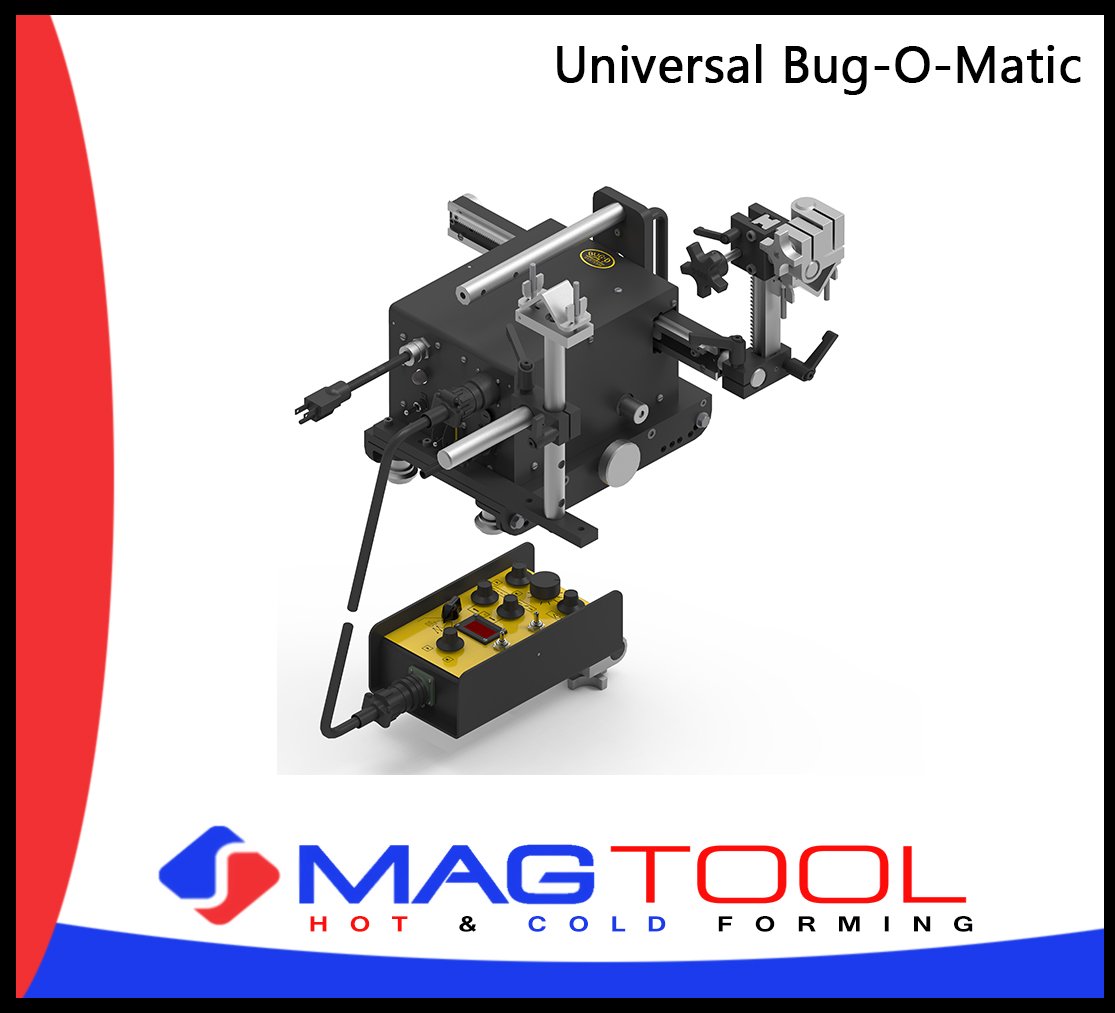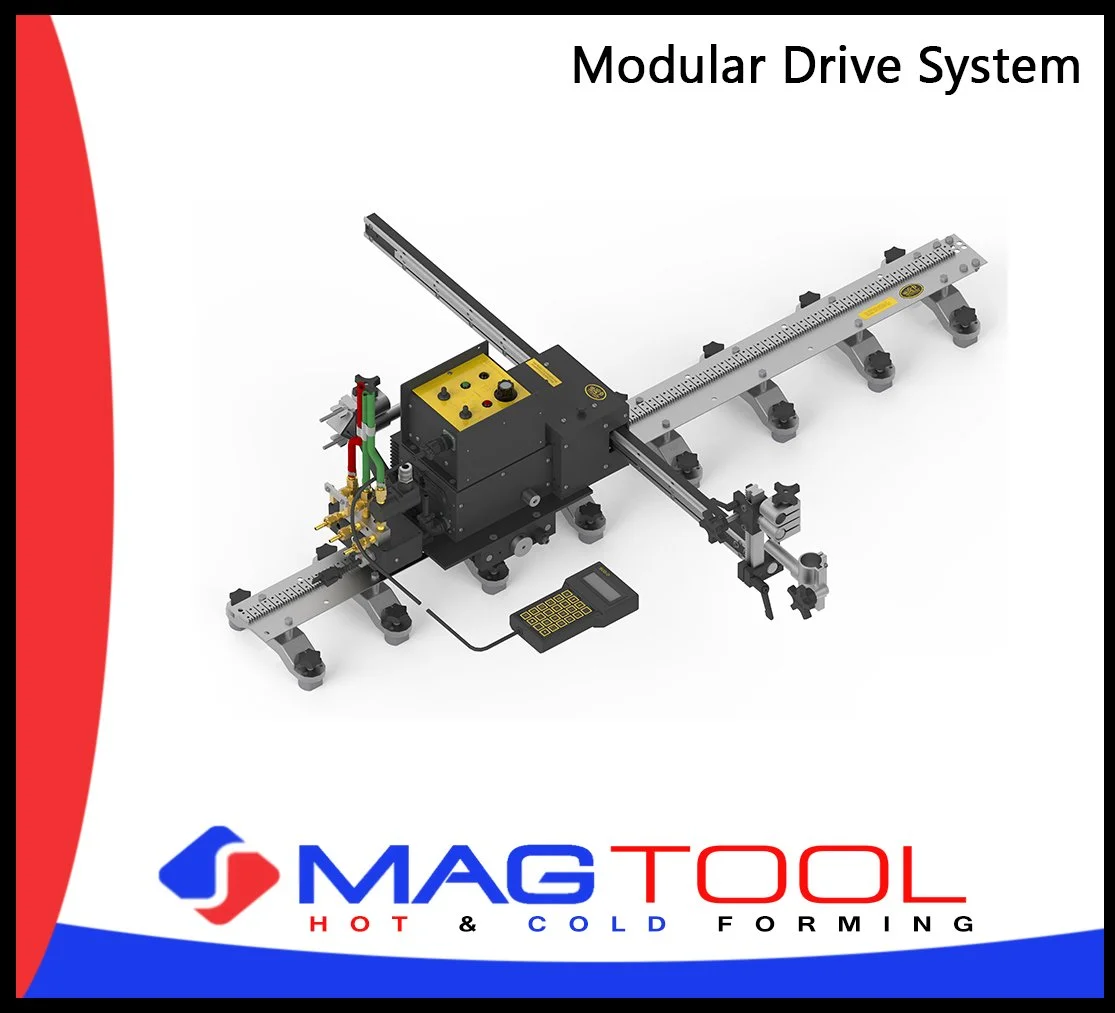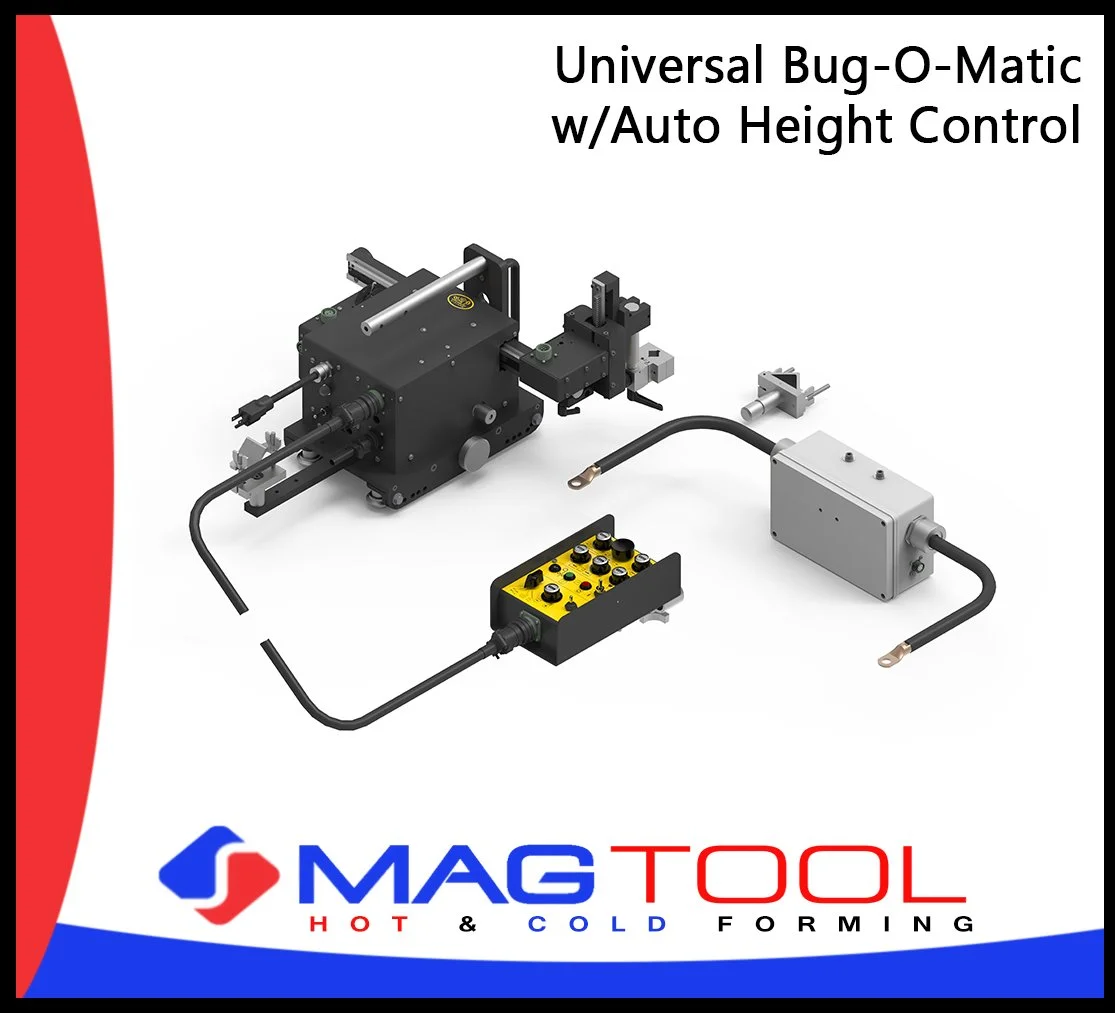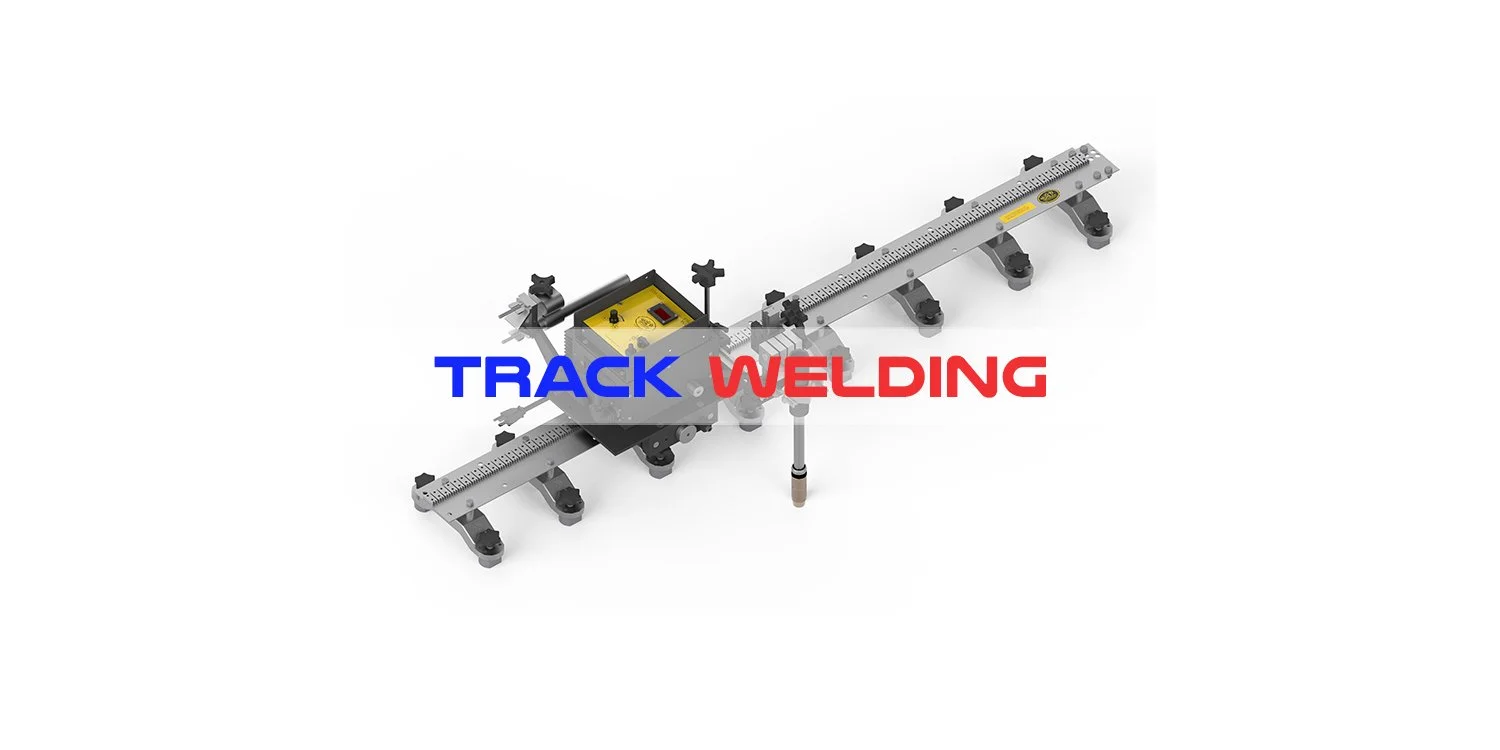
A track welding machine is a rail and a tractor. The rail goes where the weld goes; the tractor carries the gun along it at a speed you set once. Everything good about mechanized welding follows from that: constant travel speed, constant tip-to-work distance, and a welder who is watching the puddle instead of walking a bead.
The rail is what decides where these machines can go. Aluminium rigid rail handles straight-line work and joins end to end for unlimited run length. Semi-flex bends to a 15 ft radius. Hi-flex goes from straight to a 30″ radius, inside or outside, which is how a track welder ends up running around a vessel head. Ring rail closes the circle entirely for pipe. Rails are held with rare-earth on/off magnets, or vacuum cups on non-ferrous.
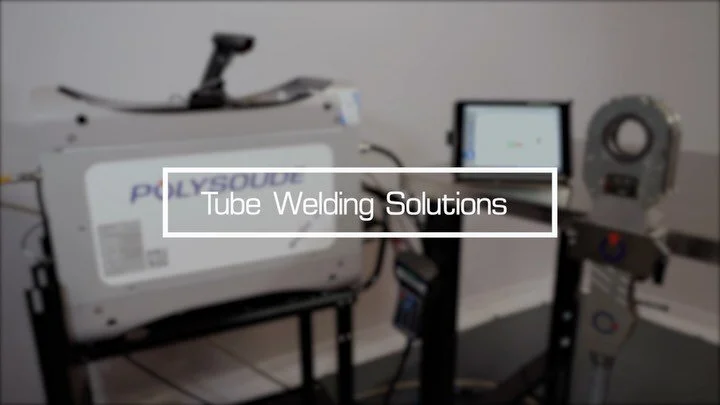
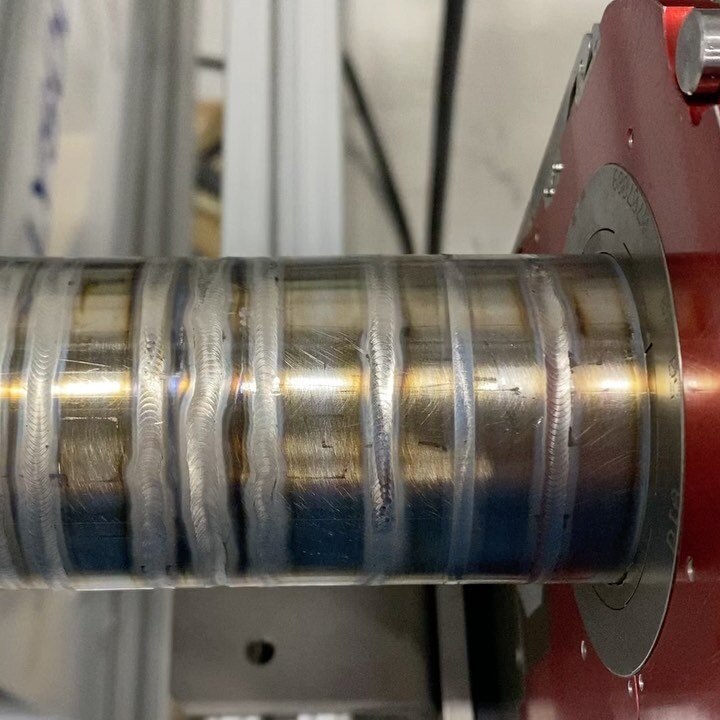
The tractors range from a bare rack-and-pinion drive you bolt your own gun to, up to a fully digital pipe welding system that stores ten thousand passes and holds tip-to-work distance automatically. Several also cut, which is worth knowing before you buy two machines to do one job.
If you are weighing this against a trackless machine: track wins when the joint is long, the position is awkward, or the weld has to be identical every time. Trackless wins when laying rail costs more time than the weld saves. We sell both — tell us the joint and we will tell you which one it is.
Send us a photo of the seam and the position it is welded in. That, plus your power source, is usually enough to narrow this to two machines.